18th January 2015
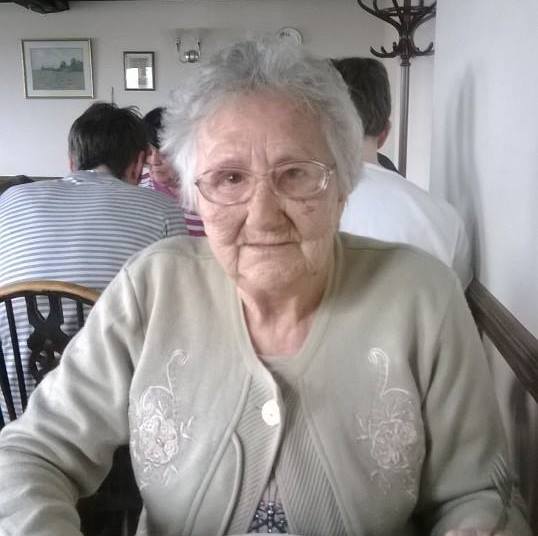
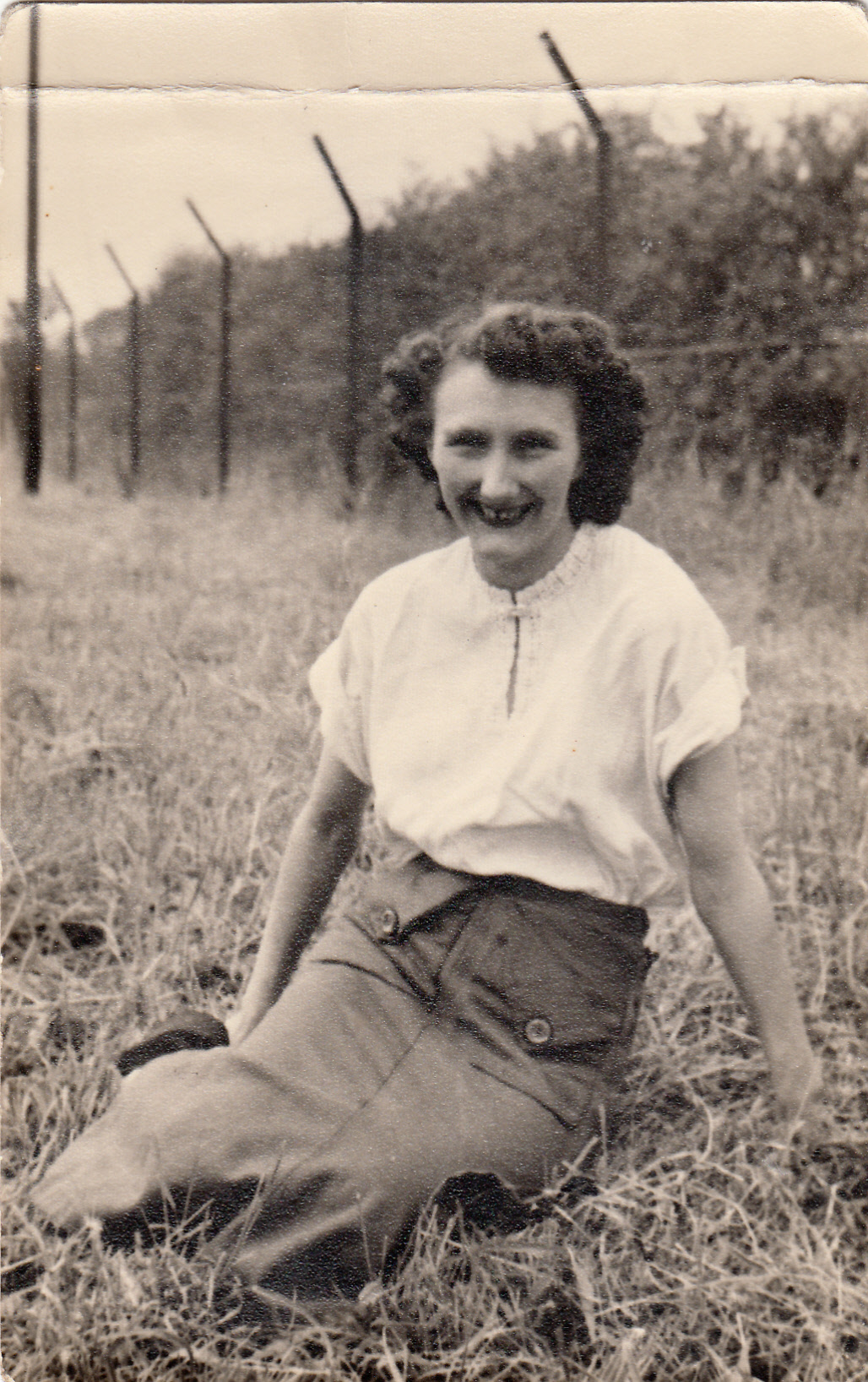
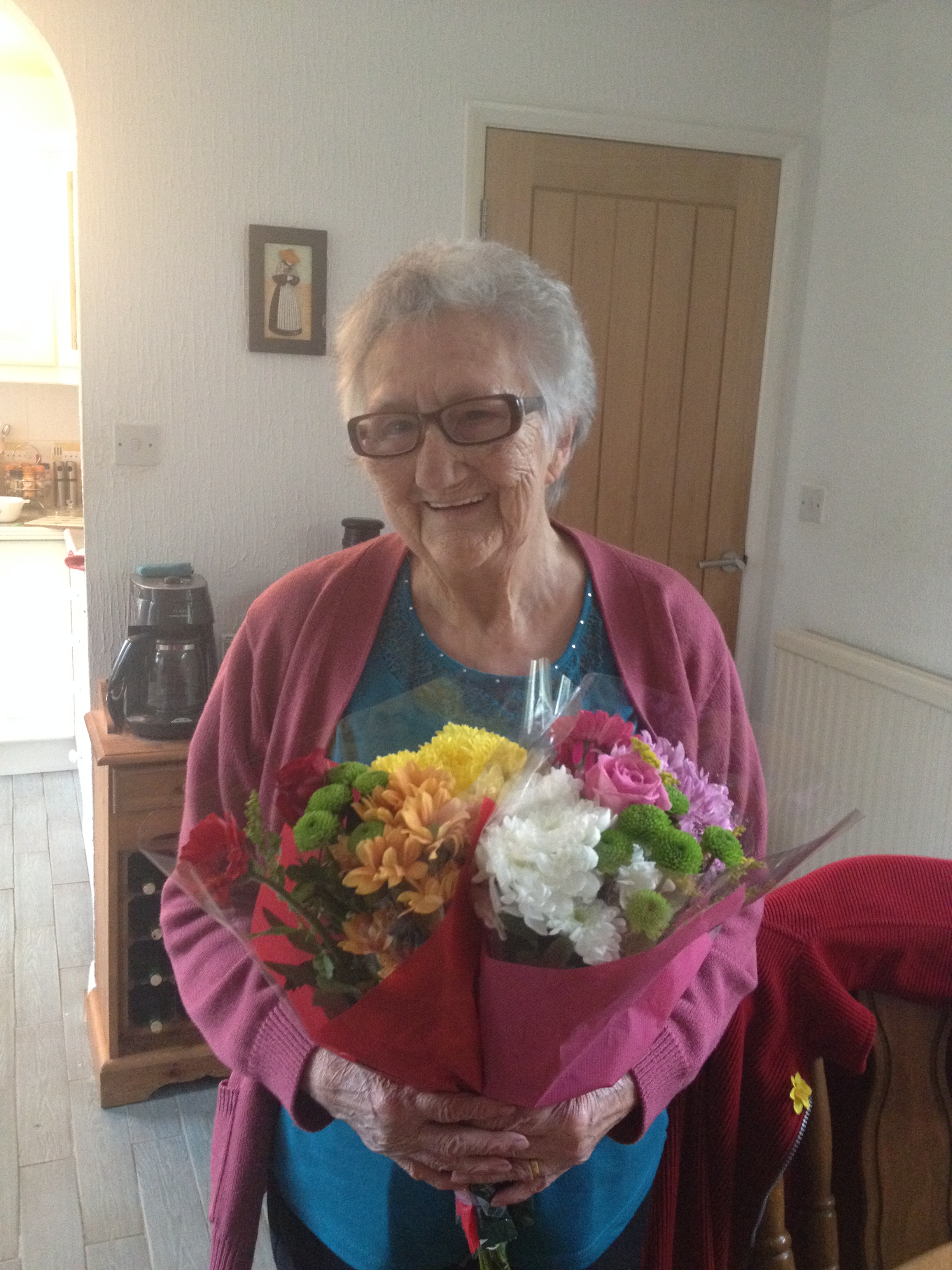
On the day Sue and I met Philippa at Tortworth Court (7th), Nan also had a couple of visitors. Ann and Susan Ashworth (her nieces) had come down from Yorkshire to see her for the first time. She took them to the Farm Shop for lunch, and by all accounts, they had a lovely time catching up and chatting about what Nan had been up to over the past few years.
On Thursday, Nan went with a few of the Huntingdon Gardens “wrinklies” to Farndon Fields School to see the Christmas production. She thoroughly enjoyed watching the little ones perform and chose this over attending the funeral of the Londis shop owner, where she had done most of her shopping, who had suddenly passed away. A bus had been arranged to take mourners to the crematorium, and many from Huntingdon Gardens went along, but Nan much preferred the school production. She came away with one of the table decorations from the tea afterwards and was delighted. When I visited the next day, she had developed a chesty cough, which she blamed on a new room deodoriser irritating her chest.
The following morning, I rang to see if she needed milk for breakfast and was surprised to find her still in bed, sounding muddled. When I offered to bring her something to eat, she said she just wanted to sleep as she felt very tired, but insisted she planned to go Christmas shopping later. I rang again after lunch, but there was no answer, so I assumed she was out. Late that afternoon, I tried once more, and when she eventually picked up, I knew instantly something was wrong. She couldn’t remember whether she’d got up, eaten, or been out, and I could hear the rattle in her chest. She kept repeating that she felt “upside down.”
The nightmare began.
Sue and I went straight round and found her sitting on the bed, looking very confused and struggling badly to breathe. We helped her to the lounge and tried to work out if she had eaten, been out, or taken her medication. She didn’t know. The lounge and bathroom lights were on, her dinner sat uneaten on the table, and an empty medication packet lay beside it. Later, we realised she must have sat in her chair at some point, eating sweets. I suspected the empty packet was from the previous day.
Despite Nan’s protests, we called an ambulance. Even though it was reported as the busiest Saturday ever for NHS call-outs, the crew arrived within ten minutes. I travelled with her while Sue went home. Nan was quickly assessed, put on a drip, made comfortable, and soon drifted into sleep. Sue collected me just after midnight. On the drive home, the radio was full of news about the NHS crisis, with stories of people with heart attacks waiting over four hours for an ambulance.
The next few weeks blurred into a mixture of highs and lows, leaving the whole family drained and with memories that were hard to reconcile.
The following morning, we all visited Nan, and what a change. She was sitting up, chatting, and her colour was better. The rasping in her chest had eased, she’d managed some food, and her breathing was improving. The antibiotics were clearly working. She soon settled into the ward routine and was already complaining about wanting the cast off her arm, which was duly removed the following day. But within days, she began to lose interest in food. One evening, when she refused to fill in her menu with Charlotte, I went back later to do it with her. She completed it reluctantly, but when her meal arrived, she flatly refused to eat it. From then on, things went downhill.
We had been staying with her most of each day, leaving only late in the evenings. Then at 2 a.m., I received a call from the hospital. The nurses were struggling with her and asked if I could come in. When I arrived, I found her agitated and calling out loudly. Her bed had been moved to the nurses’ station so they could keep an eye on her. I held her hand and stroked her hair until she eventually drifted off. I left at 9 a.m. when Charlotte and Sarah arrived.
Nikki and Dawn travelled down from Thurcroft to see her, but not long after they left, Charlotte called me back urgently. Nan didn’t look right. A CT scan confirmed she had suffered a massive stroke. She lost the use of her right arm and leg, and the ability to speak. Her mind remained clear, and she was able to communicate with hand squeezes and eventually with “yes” and “no.” It was devastating for us all. Charlotte and Sarah began staying overnight, and we made sure she was never left alone.
It was very hard when the doctor pulled me aside for an “end of life” discussion. I spoke with Nan, who, true to her stubborn nature, understood but refused to respond. With swallowing unsafe, she had a feeding tube fitted, which did seem to help her regain some strength. But she hadn’t slept for over two days. It dawned on me that she was afraid she wouldn’t wake up. With Charlotte beside me, I reassured her that she was stable and would wake safely. She finally slept for 18 hours straight.
Just before Christmas (23rd), David, Nikki, and Dawn visited. David had flown back from Bulgaria that very morning, needing to return the same evening for a hospital appointment of his own. I collected him from Kettering Station and dropped him off again later that day. Nan seemed glad to see them, but she slept through much of their visit. A few days later, I suspected she had gone blind; she said she couldn’t see, though her pupils were still reacting. Around the same time, she began to forget who we were, and sometimes even who she was. That was heartbreaking.
We decided to carry on with Christmas as planned. Nan had seen our outline of festive family activities and would have wanted the grandchildren to enjoy themselves. I stayed with her until midnight on Christmas Eve, then went home. On Christmas morning, after presents were opened, we visited Nan and gave her hers, though her reaction was hard to judge. We returned in the evening. On Boxing Day, we went to Peterborough for our usual greyhound racing (while Sarah was in Nottingham with Lee for his birthday). Charlotte and I visited Nan afterwards. The following days followed a similar rhythm: a visit to Nan, then trying to keep family life going with pantomimes, outings, and even a trip to London. Each evening, we went back to see her, though it grew harder to know how much she understood.


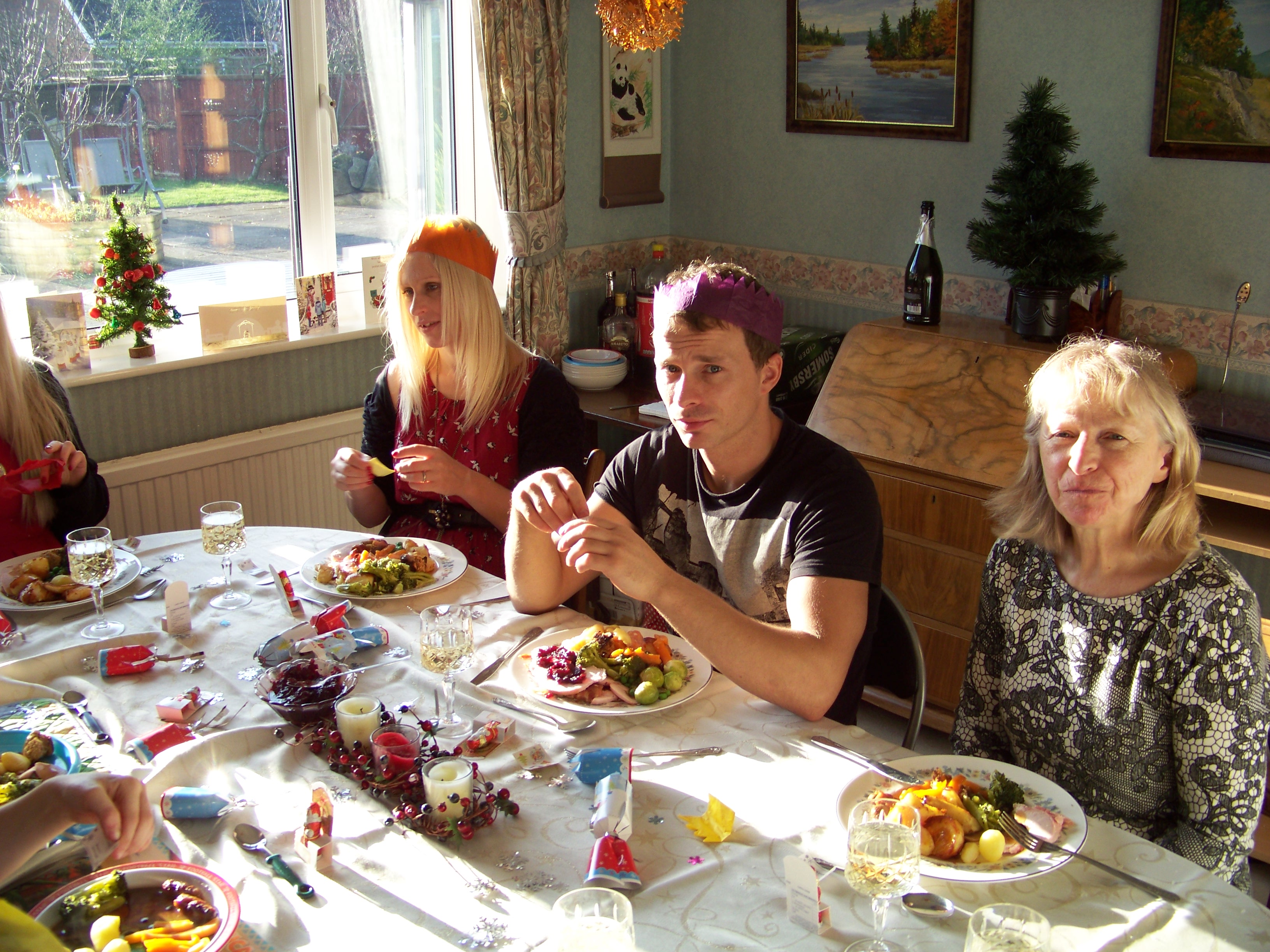


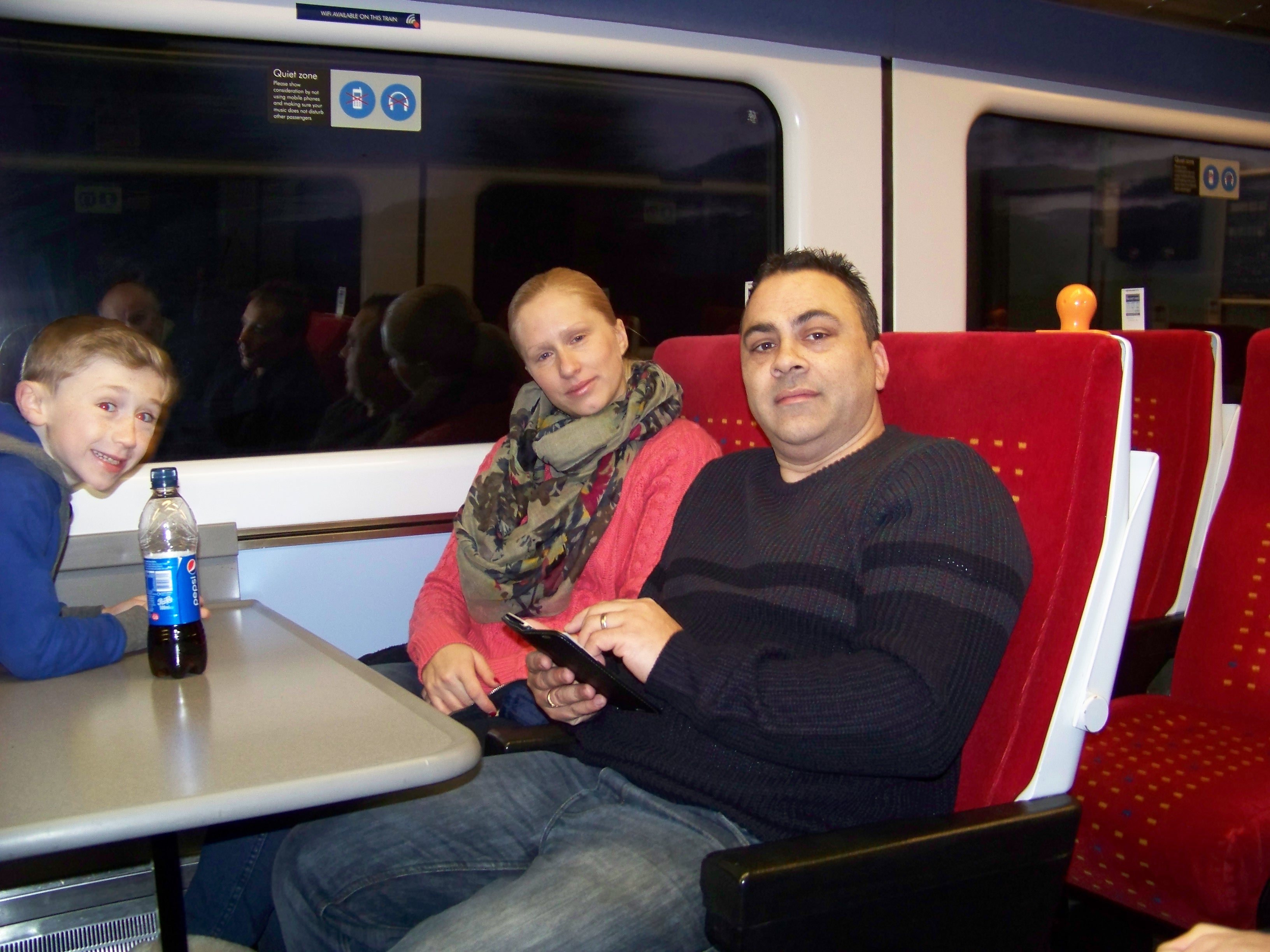


The following day, 29th December, Nan’s sister Josie came down to see her, accompanied by one of her grandchildren’s husbands. It was an emotional visit, but Josie was glad she had come, and Nan seemed pleased to see her. The next day, we had arranged for Nan’s manicurist to visit, giving her a small treat, which she thoroughly enjoyed.
A little later, I became concerned about a smell in Nan’s mouth and queried it with the nurses and doctor. Both we and the nursing staff had been regularly cleaning her mouth, so it was worrying. Eventually, I was told it wasn’t an infection, but rather the natural smell of her internal organs beginning to fail. A further, awful conversation took place with the doctor, who explained that there was no hope and that we should prepare ourselves for the worst. This discussion took place at her bedside, and I don’t know to what extent Nan understood. We were told it would only be a matter of days.
Sarah and Charlotte continued to stay with Nan overnight, and I joined them in the mornings, spending the day with various combinations of family until late each evening. It was a dreadful time. Many tears were shed, and countless hugs exchanged. The hospital staff were incredibly understanding, showing immense kindness as we remained by her side. By this point, Nan had been moved to the Stroke Ward, which gave us a brief, false hope; there was even talk of rehabilitation at one stage. However, the inevitable failure of her internal organs removed any remaining optimism.
Although expected, the withdrawal of medication, aside from morphine injections, including feeding and drips, was still a shock. Agonising, stressful days passed as we sat with Nan, holding her hand while she responded with ever-weakening squeezes. Occasionally, she became alert and took notice of her surroundings, even once expressing displeasure at a conversation about the evils of sugar. During this time, we all said our private goodbyes, though I firmly believe that until the very end, Nan had no intention of leaving us.
It wasn’t a few days; it was nine terrible days, watching someone you love gradually wind down to her final breath. Our consolation was that we were all there at the very end, holding her hands and hugging her closely.
There is currently a debate on the radio regarding the termination of life when all hope is gone. I would argue that those who object to the kindness and gentleness of humanely permitting the passage of death have not endured what our family suffered over the past month in saying goodbye to Nan. If they had, I am in no doubt their perspective would be very different.
Nan passed away at 6.30 pm on Friday, 9th January 2015, at the grand and remarkable age of 86 years.
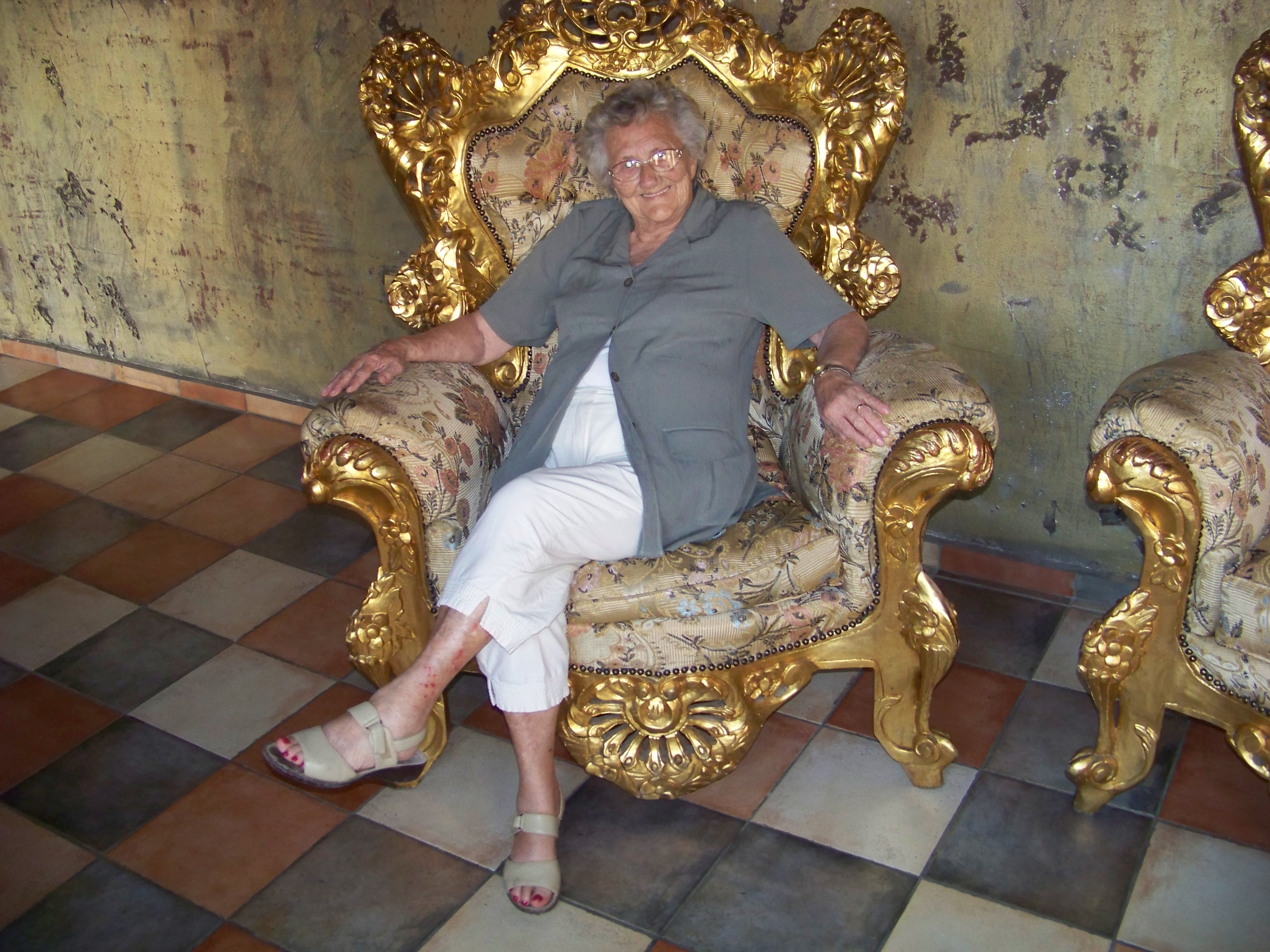
A memory of a wonderful mother and grandmother


What a lovely blog, brought tears to my eyes. Nan was a wonderful woman & dearly loved by you all. Happy memories.
Love u dad xx